
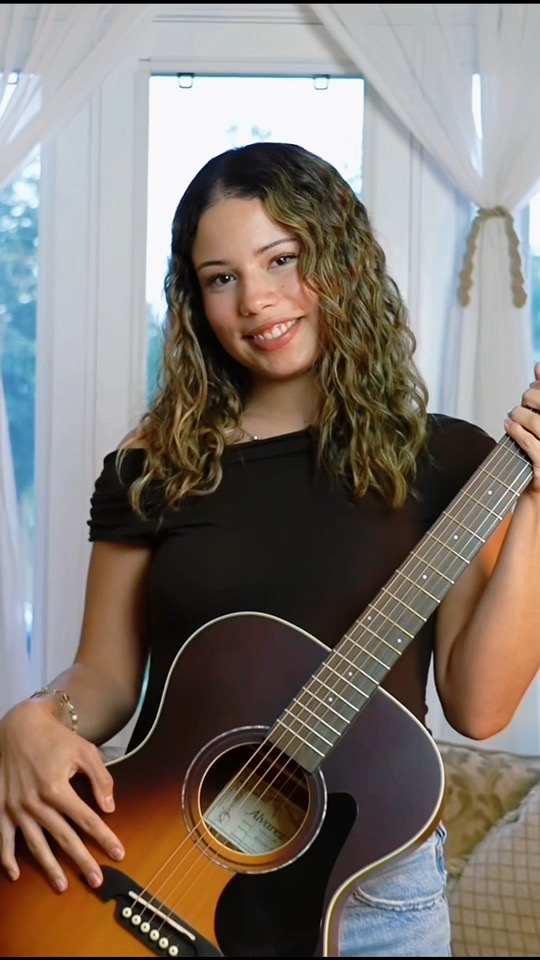
A creator declares a work
Authentication, work information, AI-use disclosures, and a signed declaration of human authorship.
HumanHand® is a certification mark registered by the Canadian Intellectual Property Office. It declares that the original form and substance of a work were created without generative or agentic software (“GenAI”). Anything we read, listen to, view, or watch may qualify.

It’s what makes humans, humans. We are informed, inspired and entertained by it. It connects, comforts, and encourages, fulfils, enlightens and mobilizes us. Human-created work builds communities, cities, societies and cultures. It’s the glue that keeps them together. Real human work needs and deserves to be distinguishable, to be valued and sustained.
Why HumanHandBuilt for every kind of human creativity
How it works
Certification at the work level
A visible declaration of human creation
A permanent registration number
Authentication, work information, AI-use disclosures, and a signed declaration of human authorship.
Certification is automatic once the HumanHand® criteria are met. Administrators can audit, amend, or revoke it afterward.
A free account lets members inspect public details and open an inquiry if something does not match.
Registered work
Certification
Make the declaration visible, wherever the work goes.
The HumanHand® system has two important parts. Certification allows a work to display the mark and be trusted as genuinely made by humans, and it attaches a unique registration number.
It is a visible mark that readily distinguishes a work as made by humans and gives it a unique HumanHand® registration number. The mark can be shown alongside the work and checked in the registry.
Membership is free. Both certification and registry search require membership. The only requirement of registration is authentication as a human.
Certification is trust-based. It depends on the integrity, honesty and truthfulness of applicants. HumanHand is not a guarantee, nor does it signify or make any statements about ownership, property rights, accuracy of content or copyright status of a work.
The standard
A clear line between technical support and creative generation.
The essential creative elements of a work, specific to each category of work, must come from actual human skill, judgment, and labour.
Disclosed AI use for research, corrective editing, proofreading, grammar, formatting, mastering, color grading, and similar technical support can be allowed when the human remains the original source of key creative judgment and production.
Generative or agentic software (GenAI) may not originate, actualize, or render the key creative elements of a work.
Writing, music, film, performance, art, photography, code, and more. Each category has specific essential creative elements that must satisfy the standard.
The registry
A permanent record members can find, inspect, and question.
Every certificate becomes a searchable public record showing the title, creator, work type, status, issue date, and disclosure notes. Every certificate includes a unique registration number for the work.
Issuance, amendments, disputes, and revocations are recorded. A certificate can be marked under review or revoked, and those decisions stay publicly visible.
Create a free account to search the registry, inspect public details, and open an inquiry if something does not match.
It is an identification mark substantiated by a public declaration, an audit trail and a revocation path rather than a definitive verification of provenance.
HumanHand® does not independently verify authorship or the tools used to create a work. It relies on creators’ declarations, backed by a checkable registry, an audit trail and a revocation path.
Understand the systemThe standard — Creative tools and human authorship
Resources — A practical guide to the mark
Highly dependable. Copyright—perhaps the most successful example of a trust-based system—has sustained and underpinned intellectual-property industries for over 500 years. HumanHand® certification, like copyright, is also trust-based. People declare authorship and control the use of their works; those declarations are accepted without verification unless a dispute requires legal action. HumanHand® does not independently verify authorship or the tools used to create a work. It relies on creators' declarations. Disputes and false declarations may be addressed through HumanHand® administration or, if necessary, legal action.
